Knock on Wood: A Fresh Take on Autumn Typography
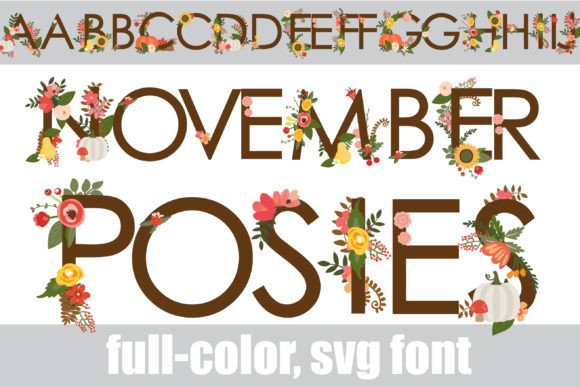
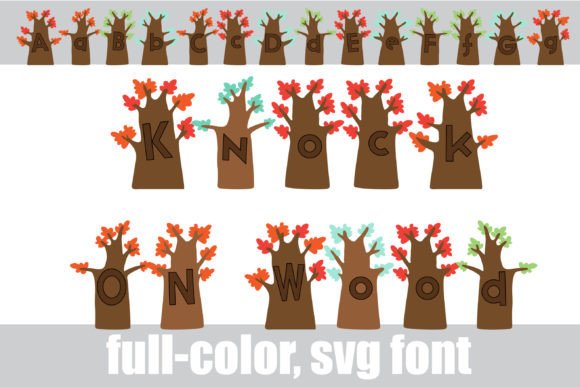
Finding a typeface that captures a specific mood can be a challenge. We often settle for something that is close enough, but not quite right. This is especially true when a project calls for a blend of natural charm and modern design. The Knock on Wood font steps into this space, offering a unique visual solution that is both playful and practical. It is a full-color, whimsical sans serif font where the letterforms are built from colorful, stylized autumn trees. This isn't just another script or handwritten font; it is a distinct creative asset with a clear personality.
More Than Just a Font: A Visual Statement
At its core, Knock on Wood is a display typeface designed to make an immediate impact. Its visual character is defined by the vibrant fall foliage that forms each letter. The sans serif structure keeps it clean and legible, while the organic tree shapes add a layer of warmth and whimsy. This combination allows it to feel contemporary and fresh, not like a dated novelty font. The personality of this typeface is approachable, creative, and optimistic. It evokes feelings of crisp autumn days, creativity, and a touch of nostalgia, making it a powerful tool for connecting with an audience on an emotional level.
The appeal lies in its versatility within its niche. As a premium font, it comes with an alternate character set. This alt case provides additional color variations, accessible through your system's character map or a design program's glyph panel. This feature allows you to fine-tune the color palette to match your brand or project's specific needs, adding a layer of customization that elevates it from a simple novelty to a serious design asset. For designers and content creators, this means more control and a more polished final product.
Where This Creative Font Truly Shines
The practical applications for a typeface like Knock on Wood are numerous, particularly in projects where personality is a priority. In branding and logo design, it can instantly establish a brand identity for businesses in eco-friendly products, artisanal crafts, outdoor recreation, or family-oriented services. Think of a logo for a local pumpkin patch, a children's book author, or a sustainable goods shop. The font does much of the heavy lifting in conveying the brand's core message.
For marketing and social media graphics, this typeface is a standout. A header on a blog post about fall recipes, a title for a YouTube video on DIY projects, or a text overlay on an Instagram post promoting a seasonal sale will stop the scroll. Its inherent visual interest makes it perfect for creating engaging content that feels authentic and celebratory. In publishing, it is ideal for chapter titles in a whimsical novel, the cover of a magazine's autumn issue, or headers in a lifestyle blog. For crafters using Silhouette Studio, it is a fantastic choice for creating unique vinyl decals, greeting cards, and party invitations.
Guiding the Eye: Readability and Brand Perception
While its artistic nature is the main draw, understanding how to use Knock on Wood effectively is key to good design. Its primary role is as a display font. This means it excels in headlines, logos, and short, impactful statements. It is not intended for body copy or long paragraphs, where its detailed design could reduce readability. Using it strategically for titles and subheadings creates a strong visual hierarchy, guiding the reader's eye to the most important information first.
The choice of typeface directly influences brand perception. Using Knock on Wood signals that a brand is creative, friendly, and in tune with nature or seasonal trends. It builds recognition through its unique and memorable appearance. However, consistency is vital. To maintain a professional and cohesive brand identity, pair it with a clean, simple sans serif or a classic serif font for body text. This contrast ensures legibility while allowing the personality of Knock on Wood to stand out without overwhelming the design.
A Practical Guide to Using Knock on Wood
Before integrating this font into a project, a few practical steps will ensure success. First, evaluate the project's fit. Is the tone playful, natural, or seasonal? If the project requires a serious, corporate, or minimalist aesthetic, this is likely not the right choice. Second, test font pairings rigorously. Place Knock on Wood headlines next to potential body fonts like a simple sans serif (such as Open Sans) or a readable serif (like Lora) to see how they interact.
Third, explore the full character set. Access the alternate glyphs to discover the additional color options. This can be the key to perfect integration with a project's color scheme. Finally, always check the licensing. As a commercial font, ensure your intended use—whether for a client project, merchandise, or digital products—aligns with the license you have purchased. This font is a vector-based SVG, meaning it can be scaled to any size without losing quality, a crucial feature for both print and digital applications.
Installing OpenType color fonts like this one is straightforward. On a Mac, use FontBook. On Windows, use your preferred font manager or the Control Panel. A key point to remember: these fonts often appear as black in non-supporting programs or even in the preview windows of compatible ones. You will know your software supports full-color SVG fonts when the text appears in color on your canvas. Programs like Adobe Photoshop, Illustrator, Silhouette Studio, QuarkXPress, and Inkscape currently offer this support.