Gingerbread: A Color Font for Festive Design
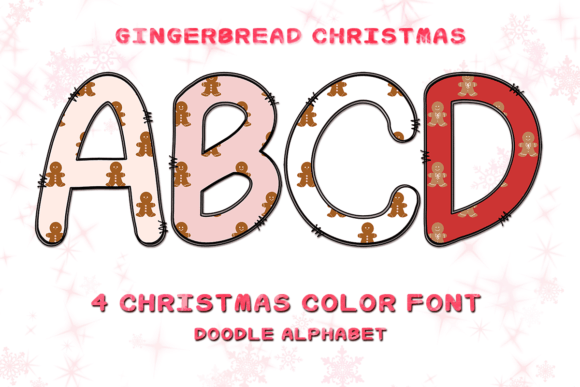
The scent of cinnamon and cloves, the warmth of a crackling fire, and the intricate artistry of a decorated cookie—these are the feelings evoked by the Gingerbread font. More than just a typeface, it’s a design experience. This premium color font, built on the Opentype-SVG format, captures the whimsical, handcrafted charm of its namesake. Each character is a miniature work of art, featuring rich, baked-golden hues, delicate icing-like details, and a playful, rounded personality. It’s a display font that doesn’t just spell out words; it tells a story of celebration, nostalgia, and creative joy.
The Visual Personality of Gingerbread
Gingerbread isn’t trying to be a quiet, neutral serif font or a clean sans serif font. Its character is front and center. The letterforms have a substantial, slightly rounded weight, mimicking the doughy texture of a gingerbread cookie. The color is the star: a warm, gradient-filled brown that suggests a perfectly baked treat, accented by white strokes that mimic royal icing. This isn’t a flat, single-color typeface. The Opentype-SVG technology preserves these complex color gradients and details, ensuring the font looks as intended in compatible applications.
The style bridges the gap between a playful script font and a bold display font. It has the readability of a block letter with the decorative flair of a handwritten font. This unique combination makes it incredibly versatile for projects where you need personality without sacrificing clarity. The overall appeal is one of warmth, celebration, and handcrafted quality—perfect for audiences that value authenticity and a personal touch.
Where Gingerbread Truly Shines
Understanding a font's strengths is key to using it effectively. Gingerbread excels in contexts where warmth, celebration, and a touch of whimsy are desired. Its impact is most profound in:
- Brand Identity & Logo Design: For bakeries, confectioneries, holiday-themed businesses, or children’s brands, Gingerbread can become the cornerstone of a memorable logo. It instantly communicates a friendly, approachable, and festive brand personality.
- Packaging Design: Imagine this font on a box of holiday cookies, a jar of artisanal jam, or festive candle packaging. It adds perceived value and tells a story of homemade care before the product is even opened.
- Editorial & Publishing: Use it for chapter titles in a holiday cookbook, a festive magazine cover, or the header of a winter newsletter. It sets a joyful, thematic tone that draws readers in.
- Digital & Social Media: This is where Gingerbread can truly engage. It’s perfect for eye-catching Instagram story headers, Facebook event graphics for a holiday sale, YouTube thumbnails for seasonal content, or a standout title on a festive blog post.
- Event & Invitation Design: For holiday party invitations, festive wedding save-the-dates, or New Year’s Eve celebration materials, Gingerbread adds an immediate sense of occasion and delight.
Practical Guidance for Using This Creative Font
Adopting a new display font like Gingerbread requires some strategic thought. Here’s how to integrate it effectively into your projects:
Evaluating Project Fit and Readability
First, ask if the project’s tone aligns with the font’s personality. Gingerbread is fantastic for a Christmas bakery’s menu but might not suit a law firm’s annual report. Its primary role is as a headline or accent font. Use it for short bursts of text—titles, headers, logos, or pull quotes—where its detailed design can be appreciated. For body text or long paragraphs, pair it with a simple, highly legible sans serif font like Open Sans or Lato to maintain readability and create a clear visual hierarchy.
Mastering Font Pairing
The right font pairing can elevate your design. Because Gingerbread is ornate and colorful, it pairs best with clean, neutral companions. A geometric sans serif creates a modern contrast, while a classic serif can lend a more traditional, elegant feel. Avoid pairing it with other highly decorative or script fonts, as this can create visual clutter. Let Gingerbread be the star of the show.
Understanding the Technical Details
This is a crucial step. Gingerbread is an Opentype-SVG color font. This means it requires specific software for full functionality. It is compatible with Adobe Photoshop, Adobe Illustrator, Silhouette Studio, and Inkscape. Important Note: The standard OTF or TTF files are not compatible with Cricut Design Space. If you use a Cricut machine, you will need to use the font in a compatible program like Inkscape to create your design and then import the finished graphic. Always check the included license for commercial use to ensure it covers your specific project, whether for a client or your own business.
Exploring the Included Styles
Many premium font packages include more than one style. With Gingerbread, look for potential alternates, swashes, or additional characters that can add even more customization to your designs. Experimenting with these can help you create unique logos or monograms that stand out.
Design Observations and Final Thoughts
In a digital landscape crowded with generic typefaces, Gingerbread offers a distinctive voice. It’s a design asset that does more than convey information; it evokes an emotion. For the small business owner, it can make a holiday promotion feel more special. For the blogger, it can transform a standard post into a festive destination. For the crafter, it adds a professional, polished touch to handmade projects.
The key to using it well is intentionality. Use it to create moments of visual delight, to guide the viewer’s eye, and to build a cohesive, engaging brand experience. When applied thoughtfully, Gingerbread is more than a font—it’s a tool for connection, turning ordinary design into something memorable, warm, and wonderfully festive.